Leonardo da Vinci and the importance of mediation confidentiality
When can mediation discussions be disclosed? Arabella Murphy explores the limits of mediation confidentiality.
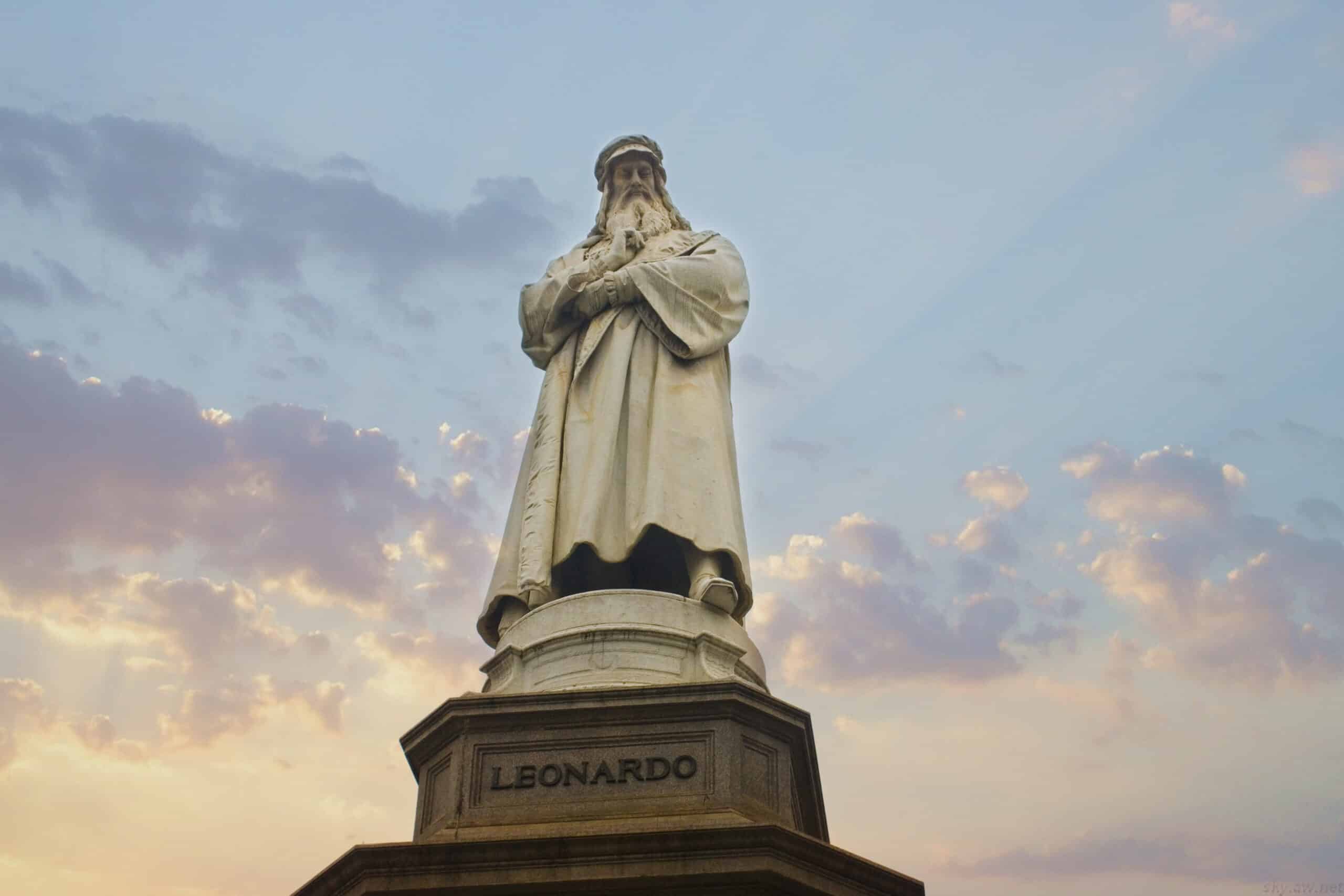
In any mediation, both the mediator and the lawyers will have emphasised to the parties that the mediation is confidential and without prejudice. In England & Wales, that means, almost as an absolute, that nobody can refer afterwards to what was said (or disclosed) during the mediation process. It’s not quite an absolute, as the case of Unilever Plc v Proctor & Gamble Co [2000] 1 WLR 2436 sets out a very limited (but not exhaustive) range of exceptions. Mediation materials can be used in evidence to show:
That a settlement agreement has been reached (or to aid its interpretation or enforcement, or rectify it)
Where misrepresentation, fraud, undue influence or estoppel arguments are raised (i.e. that the agreement itself was reached by improper means)
Where there are allegations of perjury, blackmail or ‘unambiguous impropriety’
That a party has taken steps to mitigate loss, or where delay is an issue
There have been other, infrequent, examples of situations where mediation materials can be referred to. For example, in Berkeley Square Holdings v Lancer Property Assets Management Ltd [2020] EWHC 1015 (Ch), one party’s mediation statement was used by the other to disprove an allegation of fraud, as the statement showed that the party had known about and approved the transactions.
In the US, the position is a little more nuanced, as judges have more discretion to weigh confidentiality against fairness. The leading case is In re Teligent, Inc. (640 F.3d 53 (2d Cir. 2011), where the Court refused to allow disclosure of materials relating to a court-ordered mediation. “A party seeking disclosure of confidential mediation materials must demonstrate (1) a special need for the confidential material, (2) resulting unfairness from a lack of discovery, and (3) that the need for the evidence outweighs the interest in maintaining confidentiality.” That sounds similar to Unilever but allows scope for case-by-case analysis of fairness. Note, too, that the same principles have not always been applied to private (not court-ordered) mediation (for example, in Rocky Aspen Management 204 v Hanford Holdings 394 F. Supp. 3d 461 (S.D.N.Y. 2019), as a private agreement that the mediation is confidential is not always given the same weight as court-ordered confidentiality.
And what about disclosure to third parties, not involved in the mediation?
In 2013, a billionaire art collector, Dmitry Rybolovlev, bought Leonardo da Vinci’s Christ as Salvator Mundi painting for $127 million. Sothebys facilitated the purchase from the US sellers, and an agent, Yves Bouvier, was acting for Mr Rybolovlev. However, the media soon reported that the painting had been sold for $83 million. It became apparent that Mr Bouvier had bought the painting himself (and many others), selling it on to his client at a profit without Mr Rybolovlev’s knowledge.
Mr Rybolovlev issued proceedings in the US against Sothebys, claiming that it had been instrumental in the deception (Accent Delight International v Sothebys (SDNY December 2020)). The US sellers of the painting also accused Sothebys, and proceedings were issued, but were quickly settled in mediation.
Mr Rybolvlev then sought discovery of documents relating to the sellers’ mediation with Sothebys, which might disclose relevant information, being linked to the same painting and circumstances.
The judge refused the application, relying on the principles set out in Teligent (and distinguishing Rocky Aspen). In particular, the judge found that Mr Rybolovlev had access to the US sellers as witnesses, as well as the Court documents from their litigation with Sothebys. The mediation materials were not the only possible source of the information he wanted, using the fairness test.
However, Accent Delight did raise the remote possibility that a US court might order disclosure of mediation materials to a third party, applying the very limited range of exceptions in Teligent. That door also remains fractionally ajar in relation to the US’s infamous 1782 jurisdiction (28 U.S.C. § 1782), which allows a litigant (or potential litigant) in non-US proceedings to obtain sworn evidence and disclosure from anyone who happens to be in the US, in support of those overseas proceedings. While US courts will not allow use of that jurisdiction to undermine overseas confidentiality or privilege rules, they could in theory do so if disclosure met the Unilever principles.
Overall, Accent Delight did provide further comfort that disclosure of mediation materials (whether to a third party, or for use in evidence by the mediation parties) is possible only in exceptional circumstances. This general principle is – rightly – a reassurance to parties, who can engage and speak freely, knowing that their discussions cannot later be disclosed.
Although Mr Rybolovlev did not succeed in finding out what was disclosed in the sellers’ mediation – and was ultimately unable to prove Sotheby’s liability to him – he did succeed, in 2017, in selling Salvator Mundi to Mohammed bin Salman, the Saudi Crown Prince, for the record sum of $400 million (plus fees) … through Sotheby’s rival, Christie’s.



-1.png)
-640w.webp)